July 30, 2026
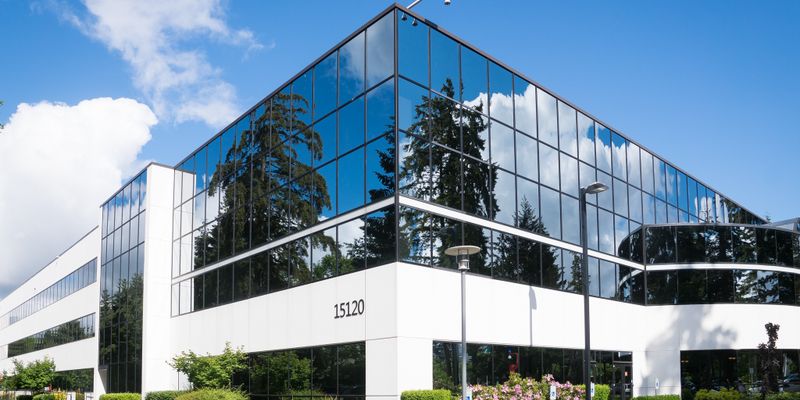
Business owners buying their own building usually come to the search already knowing they want out of a lease. What they haven't usually worked out yet is how they're going to pay for it, and that decision needs to happen before the property search, not after. The two dominant financing paths for owner-occupied commercial real estate, SBA 504 loans and conventional commercial mortgages, are structured differently enough that the choice shapes what kind of offer you can make, how much cash you need at closing, and how much flexibility you have if your business changes down the road.
SBA 504: How the Structure Actually Works
The SBA 504 program is built specifically for owner-occupied commercial real estate and major equipment purchases. It's not a single loan; it's a two-loan structure. A conventional lender (typically a bank) funds roughly 50% of the project cost in a first-position loan. A Certified Development Company, a nonprofit intermediary that administers the SBA piece, funds a second loan backed by an SBA-guaranteed debenture, typically covering around 40% of the project. The borrower puts in the remaining 10%, sometimes 15% for a newer business or a special-purpose property.
The headline advantage is the down payment: 10% is dramatically lower than what most conventional commercial loans require. The second-position SBA loan also carries a fixed rate for its full term, which gives you rate certainty on close to half the project cost, something conventional commercial financing rarely offers outright.
The trade-off is the occupancy requirement. To qualify, your business generally needs to occupy at least 51% of the existing building (60% for new construction), and that requirement isn't a one-time box to check at closing. It has to hold for the life of the loan. If your business later shrinks, relocates, or you decide to lease the space to a different operation, you can run into compliance problems with the loan terms.
SBA 504 loans also come with more documentation and a longer approval timeline than conventional financing, since you're underwritten by two separate parties (the bank and the CDC) and, depending on program specifics, potentially by the SBA itself. If you're on a tight closing timeline because a lease is expiring or a seller wants speed, that longer runway matters.
Conventional Commercial Mortgages: More Flexibility, More Cash Down
A conventional commercial mortgage is a single loan from a bank or credit union, underwritten against the property and the business's financials, without the occupancy restrictions that come with SBA 504. Down payments typically run in the 20-30% range, sometimes higher for special-purpose properties or businesses with a shorter operating history.
What you give up in down payment size, you often gain back in flexibility. There's no requirement that your business occupy a majority of the space, which matters if you're planning to lease out a portion of the building to a tenant, or if your space needs are likely to shrink or shift over the loan term. Approval timelines also tend to be faster since there's no second underwriting party involved, and you're dealing with a single point of contact for the life of the loan.
The rate structure is different too. Conventional commercial loans are often priced with a shorter fixed-rate period (five, seven, or ten years) followed by a rate reset or balloon, rather than the fully-amortizing fixed rate the SBA second mortgage provides. That means more interest rate risk over a long hold, which matters more if you're planning to own the building for fifteen-plus years.
When Each Option Makes More Sense
SBA 504 tends to fit better when: cash is the binding constraint (you'd rather deploy capital into inventory, equipment, or hiring than tie it up in a down payment), your business will clearly occupy the majority of the building for the foreseeable future, you value rate certainty over flexibility, and your timeline has some room for a longer approval process.
Conventional financing tends to fit better when: you have the capital for a larger down payment and prefer to preserve borrowing capacity for future SBA-eligible uses, you want the flexibility to lease out a portion of the building or aren't certain your occupancy will stay above the 51% threshold, you're on a tighter closing timeline, or you're buying a property type or structuring a deal (like a partial owner-occupied, partial investment building) that doesn't cleanly fit the 504 occupancy rules.
Some buyers also layer the two: financing the primary building with SBA 504 and using conventional or other financing for a subsequent expansion or a separate investment property, since the 504 program is reserved specifically for owner-occupied use.
Practical Steps Before You Shop for a Property
The single biggest mistake I see owner-occupier buyers make is starting the property search before they've had a real conversation with a lender. Here's the order that actually works:
- Talk to a commercial lender and, separately, a Certified Development Company early, even before you've identified a property. Get a realistic sense of what down payment, credit profile, and business financials you'll need to qualify for each path, and get a preliminary sense of loan size.
- Get your business financials in order. Both financing paths will want two to three years of business tax returns, financial statements, and often a business plan or cash flow projection, especially if you're a newer business. Clean, organized financials speed up underwriting meaningfully.
- Understand your real occupancy plan. If there's any chance you'll lease part of the building to another tenant, or that your space needs will change substantially, work through the SBA occupancy math with your CDC contact before you commit to that path.
- Get pre-qualified, not just pre-approved on paper. A lender letter that reflects your actual financials and a realistic loan amount makes your offer credible to a seller and their broker, and prevents you from falling in love with a property you can't actually finance.
- Loop in your commercial real estate agent before you make an offer, not after. Financing structure affects appraisal requirements, timeline, and contingencies, all of which belong in the offer itself.
How I Help
I work with business owners on the buy side of owner-occupied purchases regularly, and one of the most useful things I can do early is connect you with local lenders and CDCs who move quickly and understand the Eastern NC market, then help you structure an offer that matches the financing path you've chosen. I also help sellers understand how a buyer's financing structure affects timeline and closing conditions, so there are no surprises mid-contract.
If you're thinking about buying instead of leasing and want to talk through which financing path fits your situation, you can schedule a call here, call (919) 797-5900, or reach me at sebastian@mullarkeycre.com.
This article is for informational purposes only and does not constitute investment, tax, or legal advice. Loan terms, down payment requirements, and eligibility rules vary by lender and are subject to change. Consult with a qualified commercial lender, CPA, and real estate attorney before making a financing decision.