July 30, 2026
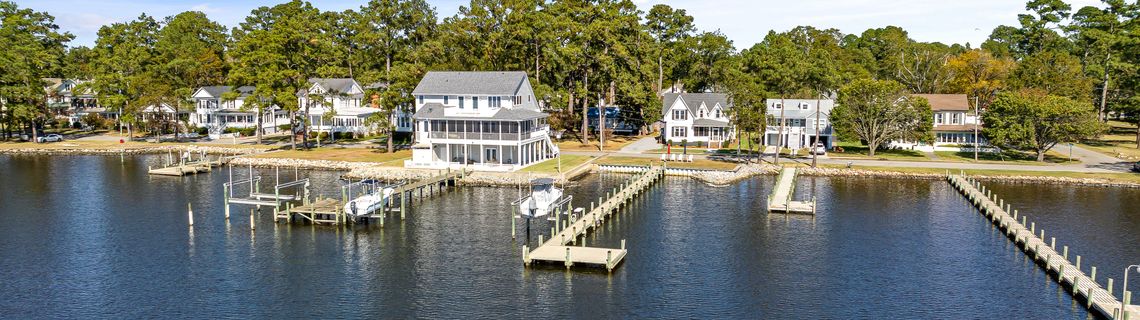
Washington, NC doesn't get talked about the way Wilmington or Raleigh do, and that's exactly the point for a certain type of buyer. It's a small waterfront town on the Pamlico River with a historic, walkable downtown, a steady flow of boaters and tourists, and a retiree and second-home population that keeps local retail and service businesses busier than the town's size would suggest. If you're looking for ground-floor pricing with real character and a defensible local customer base, it's worth a serious look.
What Makes Washington Different
The town sits at the head of the Pamlico River, which has shaped its economy for two centuries and continues to now: a working waterfront, a marina and boating culture, and a downtown built around that river-facing Main Street rather than a highway strip. That gives Washington something a lot of Eastern NC towns don't have — a genuine tourism draw and a built environment that's walkable and photogenic rather than purely functional.
Layer on top of that a retiree and second-home population drawn by the water, the lower cost of living, and the slower pace, and you get a customer base for local retail, restaurants, medical services, and personal services that's more resilient than the town's year-round population alone would suggest. Beaufort County's broader economy also leans on agriculture, marine trades, and healthcare, which provide a steadier baseline of local employment than a purely tourism-dependent town would have.
Property Types Worth Watching
Retail and mixed-use downtown. The historic downtown buildings along Main Street, many of them two-story with retail or restaurant space on the ground floor and office or residential above, are the heart of the commercial market here. These buildings tend to trade at a real discount to comparable historic downtown stock in bigger markets, which makes adaptive reuse — converting upper floors to apartments or short-term rentals, refreshing storefronts for restaurant or boutique retail — a genuinely attractive play for an investor willing to do the work.
Small retail and service space. Local and regional retailers, medical and dental offices, and personal service businesses (salons, fitness studios, professional offices) serve both the year-round population and the seasonal bump from tourism and second-home owners. Vacancy in well-located small retail space tends to be low because the supply of good storefronts is limited.
Waterfront and marine-adjacent commercial. Marina space, boat storage and service, and waterfront restaurant sites carry a scarcity premium simply because there's a finite amount of true waterfront in a town this size. These assets don't trade often, but when they do, they command attention from a specific buyer pool willing to pay for the location.
Light industrial and flex. Away from downtown, there's a smaller but real market for light industrial, warehouse, and flex space serving marine trades, agriculture-adjacent businesses, and contractors. This is where an owner-occupant looking for functional space at a lower basis than the coast further south can find real value.
Who This Market Fits
Washington makes the most sense for a specific kind of buyer: someone who wants a lower entry price than the Wilmington or Outer Banks waterfront markets, is comfortable owning in a smaller, less liquid market, and either has a hands-on appetite for adaptive reuse or is looking for a stabilized small retail or mixed-use asset to hold for cash flow. It's less suited to an investor who needs institutional-scale liquidity or a fast resale — deal volume here is lower, and buyer pools for larger assets are thinner.
For business owners considering a location, Washington offers a genuinely differentiated setting — walkable, waterfront, historic — at a rent and purchase-price basis well below what similar character costs in bigger coastal towns. For a restaurant, boutique retailer, or professional practice that wants to be part of a town's identity rather than just occupying space in it, that's a real advantage.
Practical Guidance Before You Buy or Lease
- Check flood zone and insurance costs early. Given the riverfront location, flood insurance and elevation requirements can materially affect the economics of a property. Get real numbers before you're deep into a deal, not after.
- Underwrite seasonality honestly. Tourism and boating traffic bring real seasonal swings to retail and restaurant revenue. Build a realistic model of the slow months, not just the summer numbers.
- Budget for older-building realities. Much of the best downtown stock is 80-100+ years old. Roof, HVAC, electrical, and structural condition need a real inspection, and renovation costs can run higher than expected on historic buildings.
- Understand the buyer pool going in. This is a smaller market with less transaction volume than the Triangle or Wilmington. That's part of the value proposition, but plan your hold period and exit expectations accordingly.
If you want a closer look at what's currently on the market and how the local economics have been trending, you can see current listings and demographics on my Washington market page.
How I Help
Whether you're an investor evaluating an adaptive-reuse play on a downtown building, a business owner scouting a storefront, or an owner weighing whether to sell into this market, I bring the same approach: real underwriting, honest comps, and a clear read on what a property is actually worth in Washington's specific buyer pool. I know this market's rhythms — seasonal, small, and character-driven — and I can help you avoid overpaying for the charm or underpricing the opportunity.
If you're evaluating Washington or want to compare it against other Eastern NC markets, I'm happy to walk through the numbers with you. You can schedule a call here or reach me at sebastian@mullarkeycre.com or (919) 797-5900.
This article is for informational purposes only and does not constitute investment, tax, or legal advice. Consult with a qualified financial advisor, CPA, and real estate attorney before making an investment decision.